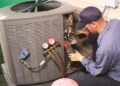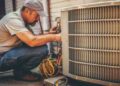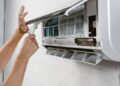

Embarking on the journey of home AC repair, this article aims to provide valuable insights and practical advice for homeowners looking to troubleshoot and maintain their AC units efficiently.
Exploring common issues, DIY troubleshooting techniques, professional repair services, and cost considerations, this comprehensive guide covers all aspects of home AC repair.
Common Home AC Issues
Homeowners often encounter various issues with their AC units, which can significantly affect the efficiency of the system. It's essential to address these problems promptly to ensure optimal performance and prevent costly repairs down the line.
Refrigerant Leaks
Refrigerant leaks are a common issue that can lead to reduced cooling capacity and efficiency in an AC system. Signs of a refrigerant leak include warm air blowing from the vents, ice buildup on the evaporator coils, and hissing sounds coming from the unit.
Dirty Air Filters
Dirty or clogged air filters can restrict airflow and cause the AC unit to work harder to cool the air. This can result in decreased efficiency, higher energy bills, and poor indoor air quality. Warning signs of dirty air filters include reduced airflow, increased dust accumulation, and uneven cooling.
Faulty Thermostat
A malfunctioning thermostat can lead to temperature inconsistencies and improper cooling cycles. Signs of a faulty thermostat include inaccurate temperature readings, frequent cycling on and off, and the inability to reach the set temperature.
Electrical Issues
Electrical problems such as faulty wiring, tripped breakers, or malfunctioning capacitors can disrupt the operation of an AC unit. Warning signs of electrical issues include strange odors, unusual sounds, frequent system cycling, and sudden spikes in energy consumption.
Improper Maintenance
Neglecting routine maintenance tasks such as cleaning coils, lubricating moving parts, and checking refrigerant levels can lead to various AC problems. Lack of maintenance can result in reduced efficiency, decreased lifespan of the unit, and costly repairs in the long run.
DIY AC Troubleshooting
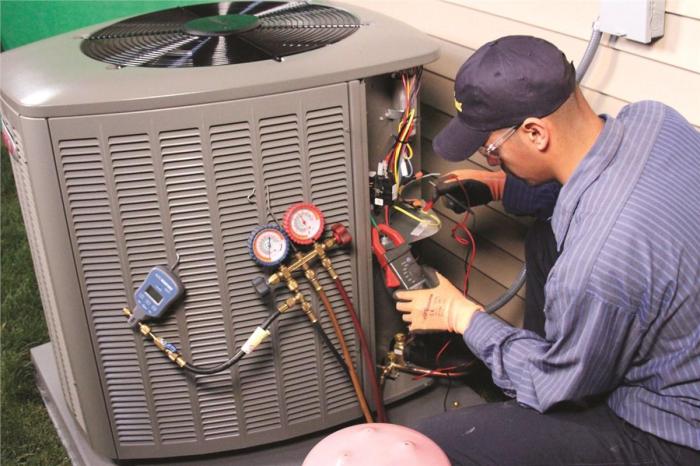
When facing common AC problems at home, it can be helpful to troubleshoot the issues yourself before calling a professional. This not only saves time but also money. However, it is essential to follow safety precautions and proper maintenance tips to ensure your AC unit functions efficiently.
Checking the Thermostat
One common issue with AC units is incorrect thermostat settings. Ensure the thermostat is set to cool and the temperature is lower than the current room temperature. If the thermostat is not working correctly, consider replacing the batteries or recalibrating it.
Inspecting the Air Filter
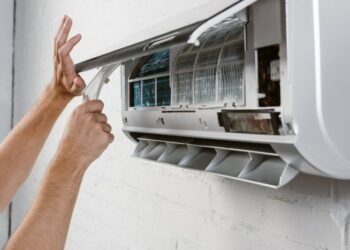
The air filter in your AC unit plays a crucial role in maintaining proper airflow and indoor air quality. Check the filter regularly and replace it if it is dirty or clogged. A dirty filter can lead to reduced efficiency and cooling capacity.
Examining the Circuit Breaker
If your AC unit is not turning on, check the circuit breaker to see if it has tripped. Reset the breaker if needed and monitor the unit to see if it starts functioning properly. If the breaker continues to trip, there may be an underlying electrical issue that requires professional assistance.
Cleaning the Condenser Coils
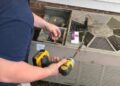
Over time, the condenser coils in your AC unit can accumulate dirt and debris, reducing the system's efficiency. Regularly clean the coils using a soft brush or vacuum to remove any buildup. This simple maintenance task can improve the cooling performance of your AC unit.
Maintaining Proper Airflow
To ensure optimal performance, make sure there are no obstructions blocking the airflow around your AC unit. Keep the area around the unit clear of debris, vegetation, or other objects that could hinder airflow. Proper airflow is essential for the efficient operation of your AC system.
Hiring a Professional Repair Service
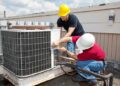
When it comes to addressing issues with your home AC, sometimes it's best to leave it to the professionals. Here, we will discuss the benefits of hiring a professional AC repair service, how to select a reliable company, and the importance of checking licenses and certifications.
Benefits of Hiring a Professional AC Repair Service
- Expertise: Professional technicians have the knowledge and experience to accurately diagnose and fix issues with your AC system.
- Time-saving: By hiring a professional, you can avoid the trial and error that often comes with DIY repairs, saving you time and frustration.
- Safety: Working with electrical components can be dangerous, so it's best to leave it to trained professionals to ensure safety for you and your family.
- Long-term savings: Professional repairs are done correctly the first time, reducing the risk of further damage and costly repairs down the line.
Selecting a Reliable AC Repair Company
When choosing an AC repair company, consider the following:
- Ask for recommendations from friends, family, or online reviews to find reputable companies in your area.
- Check for proper licenses and certifications to ensure the technicians are qualified to work on your AC system.
- Inquire about the company's experience and warranty policies to guarantee quality service and protection for your investment.
Importance of Checking Licenses and Certifications
Always verify that the AC repair company you choose holds the necessary licenses and certifications to perform the work. This ensures that the technicians are trained and qualified to handle your system safely and effectively.
Costs Associated with AC Repairs
When it comes to repairing a home AC system, it's important to understand the costs involved and how to budget for unexpected repairs. Here, we will break down the typical costs, factors that can affect the overall cost, and provide tips on managing your AC repair budget.
Typical Costs of AC Repairs
- Diagnostic Fee: HVAC technicians usually charge a diagnostic fee to assess the issue with your AC system. This fee can range from $50 to $100, depending on the company.
- Parts Replacement: The cost of parts needed for the repair can vary widely based on the type of AC unit you have and the specific components that need to be replaced. On average, parts can range from $50 to $500 or more.
- Labor Costs: HVAC technicians charge an hourly rate for labor, which can be around $50 to $150 per hour. The total labor cost will depend on the complexity of the repair and how long it takes to complete.
- Additional Fees: Some companies may charge additional fees for emergency repairs, weekend or after-hours service, or travel expenses. These fees can add to the overall cost of the repair.
Factors Affecting the Cost of AC Repairs
- Extent of Damage: The more extensive the damage to your AC system, the higher the repair costs will be.
- Type of AC Unit: Different types of AC units have varying costs for parts and repairs. Older or less common units may be more expensive to repair.
- Seasonality: AC repair costs can fluctuate based on the time of year. Repairs during peak seasons may be more costly due to high demand.
- Quality of Service: Hiring a reputable and experienced HVAC company may cost more upfront but can save you money in the long run by ensuring quality repairs.
Tips for Budgeting for AC Repairs
- Set Aside Emergency Funds: Create a separate fund specifically for home maintenance and unexpected repairs, including AC issues.
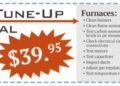
- Regular Maintenance: Keep your AC system well-maintained to prevent costly repairs. Schedule annual tune-ups and inspections to catch potential problems early.
- Get Multiple Quotes: Before committing to a repair, get quotes from multiple HVAC companies to compare prices and services offered.
Closing Summary
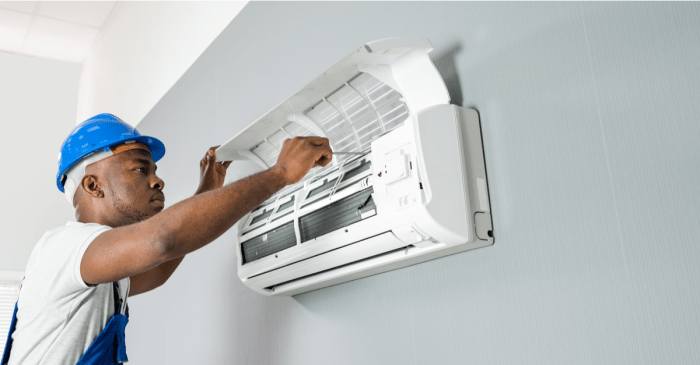
Concluding our discussion on home AC repair, it's essential to prioritize regular maintenance, swift repairs, and informed decision-making to ensure your AC system operates optimally. Stay cool and informed about your home's comfort needs!
Popular Questions
What are some signs that indicate a need for AC repair?
Unusual noises, weak airflow, warm air blowing, and frequent cycling are common indicators that your AC unit requires repair.
How can homeowners maintain their AC units to prevent frequent repairs?
Regularly changing air filters, cleaning the condenser coils, ensuring proper airflow, and scheduling professional maintenance can help prevent frequent AC repairs.
What factors can affect the cost of AC repairs?
The extent of the damage, the need for replacement parts, the expertise of the repair technician, and the time required for repairs can all impact the cost of AC repairs.