
When it comes to HVAC emergency repair, ensuring the comfort and safety of your space is non-negotiable. This guide dives deep into the world of urgent HVAC issues, offering insights and solutions that every homeowner needs to know.
From identifying common emergencies to exploring DIY troubleshooting tips, this comprehensive resource equips you with the knowledge to tackle HVAC crises head-on.
Importance of HVAC Emergency Repair
When it comes to HVAC systems, emergency repair is crucial for maintaining comfort and safety within a home or building. Ignoring or delaying HVAC emergencies can lead to a range of issues that not only affect the efficiency of the system but also pose risks to the occupants.
Situations Requiring Immediate HVAC Repair
- Complete breakdown of the HVAC system during extreme weather conditions such as heatwaves or freezing temperatures.
- Gas leaks or burning smell coming from the system, indicating a potential fire hazard.
- Strange noises or vibrations from the HVAC unit, suggesting internal damage that could worsen over time.
Risks of Delaying or Ignoring HVAC Emergencies
- Increased energy bills due to an inefficient system struggling to operate properly.
- Potential health hazards from poor indoor air quality caused by a malfunctioning HVAC system.
- Permanent damage to the HVAC unit, leading to costly repairs or premature replacement.
Common HVAC Emergencies
When it comes to HVAC systems, emergencies can arise unexpectedly, causing discomfort and inconvenience. It's crucial to be aware of common issues that may require emergency repair to ensure your system operates efficiently.
1. Refrigerant Leaks
Refrigerant leaks are a serious problem that can lead to a lack of cooling or heating in your home. Signs of a refrigerant leak include warm air blowing from vents, hissing sounds near the unit, or ice buildup on the evaporator coil.
2. Electrical Malfunctions
Electrical issues such as faulty wiring or blown fuses can pose a fire hazard and should be addressed immediately. If you notice flickering lights when the HVAC system is running or the circuit breaker constantly trips, it's time to call for emergency repair.
3. Blocked or Clogged Air Filters
Blocked or clogged air filters can restrict airflow, causing the system to work harder and potentially overheat. Symptoms of this issue include reduced airflow, strange odors, or an increase in energy bills. Regularly changing air filters can prevent emergencies related to this common issue.
4. Broken Thermostat
A malfunctioning thermostat can lead to inaccurate temperature readings and improper functioning of the HVAC system. If you notice that the temperature in your home does not match the setting on the thermostat, it may be time to seek emergency repair services.
5. Frozen Evaporator Coils
Frozen evaporator coils can be caused by restricted airflow, low refrigerant levels, or a malfunctioning fan. If you see ice buildup on the coils or experience warm air blowing from vents, turn off the system immediately and contact a professional for repairs.
DIY Troubleshooting for HVAC Emergencies
When faced with HVAC emergencies, homeowners can attempt DIY troubleshooting to potentially resolve the issue before calling for professional help. However, it's important to follow safety tips and know when it's appropriate to try fixing the problem yourself or when to seek professional assistance.
Simple Steps for DIY Troubleshooting
- Check the Thermostat: Make sure the thermostat is set to the correct temperature and mode. Replace the batteries if needed.
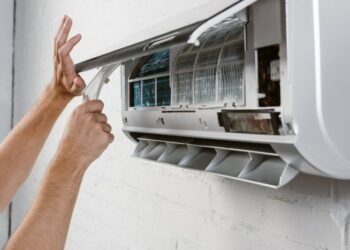
- Inspect the Air Filters: Dirty air filters can restrict airflow and cause issues. Replace or clean the filters if they are dirty.
- Inspect the Circuit Breaker: Check if the circuit breaker that controls the HVAC system hasn't tripped. Reset it if necessary.
- Inspect the Air Vents: Ensure all air vents are open and unobstructed for proper airflow.
- Check for Leaks: Look for any visible leaks in the HVAC system, especially around pipes and connections.
Safety Tips for DIY Troubleshooting
- Turn off the Power: Always turn off the power to the HVAC system before attempting any troubleshooting to prevent electrical accidents.
- Wear Protective Gear: Use gloves and safety goggles when inspecting or handling HVAC components to avoid injuries.
- Avoid DIY Repairs Involving Gas: If you suspect a gas leak or any issues with the gas line, evacuate the area immediately and call a professional.
When to Attempt DIY Fixes and When to Seek Professional Help
- DIY Fixes: Simple troubleshooting steps like checking the thermostat, filters, and circuit breaker can be attempted by homeowners with basic knowledge.
- Professional Help: If the issue is complex, involves electrical components, or requires specialized tools, it's best to call a professional HVAC technician.
Hiring Professional HVAC Emergency Repair Services
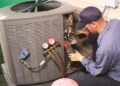
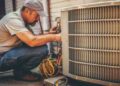
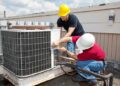
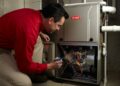
When facing HVAC emergencies, hiring a professional HVAC repair service can offer numerous benefits. These experts have the knowledge, skills, and tools to quickly and effectively address the issue, ensuring your system is back up and running smoothly in no time.
Benefits of Hiring a Professional
Professional HVAC technicians have the expertise to accurately diagnose the problem and provide the most suitable solution. They can also ensure that repairs are done correctly, preventing further issues down the line. Additionally, hiring a professional can save you time and hassle, as they can efficiently resolve the problem without you having to tinker with the system yourself.
Comparing HVAC Repair Companies
When choosing an HVAC repair company, consider factors such as their experience, reputation, and pricing. Look for companies that are licensed and insured, as this indicates their professionalism and commitment to quality service. Reading reviews and getting recommendations from friends and family can also help you gauge the reliability of different companies.
Tips for Finding Reliable Services
- Check for certifications and licenses: Ensure that the HVAC repair service you choose is properly certified and licensed to work in your area.
- Ask about warranties: Inquire about the warranties offered for repairs to ensure you are covered in case the issue recurs.
- Get multiple quotes: Compare quotes from different HVAC repair companies to find the best value for your money.
- Consider response time: Look for a company that offers emergency services and has a quick response time to address urgent HVAC issues.
- Seek recommendations: Ask for recommendations from trusted sources to find reputable HVAC repair services with a proven track record of customer satisfaction.
Preventative Maintenance to Avoid HVAC Emergencies
Regular maintenance of your HVAC system is crucial in preventing emergencies and ensuring its optimal performance. By following a maintenance schedule and taking proactive steps, homeowners can reduce the risk of unexpected breakdowns and costly repairs.
Importance of Regular HVAC Maintenance
- Regular maintenance helps identify and address minor issues before they escalate into major problems.
- It improves the efficiency of the HVAC system, reducing energy consumption and lowering utility bills.
- Proper maintenance extends the lifespan of the HVAC system, saving you money on premature replacements.
Maintenance Schedule for HVAC Systems
It is recommended to schedule professional maintenance at least once a year, ideally before the start of the heating or cooling season.
- Change air filters every 1-3 months, depending on usage.
- Clean the evaporator and condenser coils annually to maintain efficiency.
- Inspect and clean ductwork to ensure proper airflow and indoor air quality.
Tips for Homeowners on HVAC Maintenance
- Keep outdoor unit clear of debris and vegetation to ensure proper airflow.
- Check thermostat settings and calibrate if necessary to avoid strain on the system.
- Monitor humidity levels and consider adding a humidifier or dehumidifier for optimal comfort.
Final Thoughts
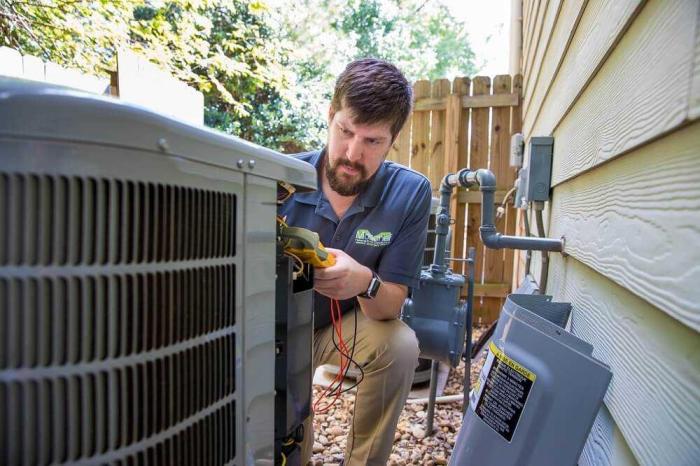
As we conclude this exploration of HVAC emergency repair, remember that prompt action and regular maintenance are key to keeping your HVAC system running smoothly. By staying informed and proactive, you can safeguard your home against unexpected breakdowns and ensure lasting comfort for years to come.
FAQ Corner
What are some signs that indicate the need for HVAC emergency repair?
If you notice strange noises, uneven heating or cooling, or a sudden spike in energy bills, it could signal an HVAC emergency.
Is it safe to attempt DIY troubleshooting for HVAC issues?
While some basic troubleshooting like checking filters can be done safely, complex issues should be left to professionals to avoid accidents or further damage.
How can I find reliable HVAC emergency repair services?
Look for companies with good reviews, certifications, and transparent pricing. Asking for recommendations from friends or family can also lead you to trustworthy professionals.