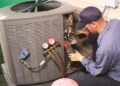

Heat and air repair is a crucial aspect of maintaining optimal performance in HVAC systems. From ensuring energy efficiency to addressing common issues promptly, this topic delves into the importance of regular maintenance and professional services.
Importance of Heat and Air Repair
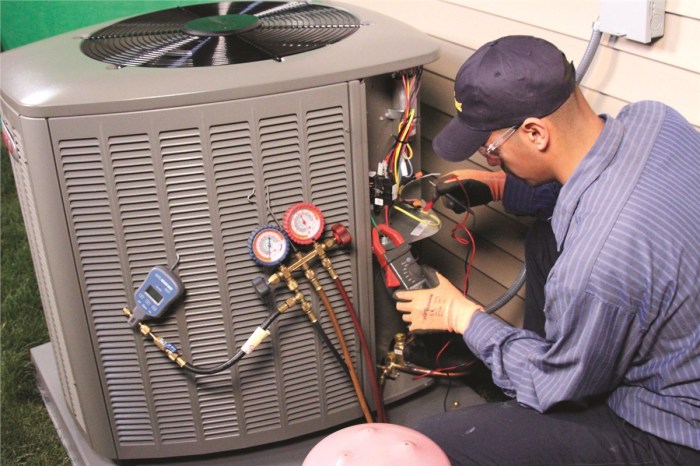
Regular maintenance is crucial for HVAC systems to ensure they operate efficiently and effectively. Without proper maintenance, these systems can experience wear and tear, leading to decreased performance and potential breakdowns.
Impact of Neglecting Heat and Air Repair on Energy Efficiency
Neglecting heat and air repair can significantly impact the energy efficiency of HVAC systems. When components are not properly maintained, the system has to work harder to provide the same level of heating or cooling, resulting in increased energy consumption and higher utility bills.
Consequences of Postponing Repair Services for Heating and Cooling Systems
Postponing repair services for heating and cooling systems can lead to more severe issues down the line. Small problems can escalate into larger, more expensive repairs if not addressed promptly. Additionally, neglecting repairs can compromise indoor air quality and comfort, affecting the health and well-being of occupants.
Common Heat and Air Repair Issues
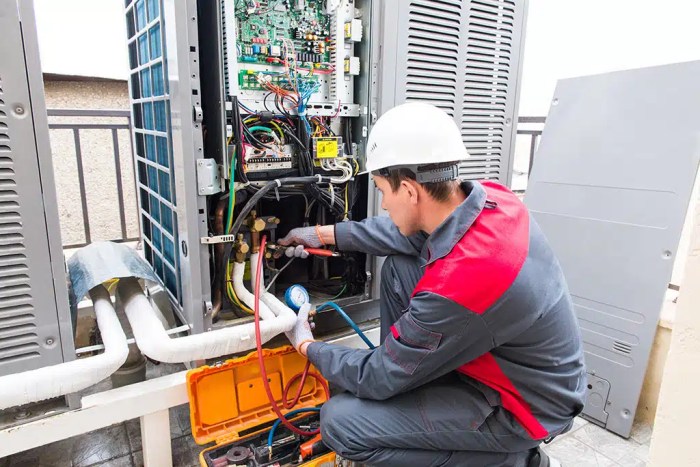
When it comes to HVAC systems, there are several common issues that may require professional repair services. It is essential to be aware of these problems and the signs that indicate the need for immediate attention to ensure the efficient functioning of your heating and cooling systems.
Refrigerant Leaks
Refrigerant leaks can lead to inadequate cooling or heating and may cause your HVAC system to work harder, increasing energy consumption. Signs of a refrigerant leak include reduced cooling or heating efficiency, hissing sounds, or ice buildup on the refrigerant lines.
Thermostat Malfunctions
A malfunctioning thermostat can result in inaccurate temperature readings and improper operation of your HVAC system. Signs of a faulty thermostat include temperature fluctuations, unresponsiveness to adjustments, or a blank display.
Airflow Issues
Poor airflow can lead to inadequate heating or cooling in different areas of your home. It may be caused by clogged filters, ductwork obstructions, or issues with the blower motor. Signs of airflow problems include uneven temperature distribution, weak airflow, or unusual odors.
Ignition or Pilot Control Problems
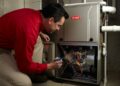
Issues with the ignition or pilot control can prevent your furnace from turning on or staying lit, resulting in no heat production. Signs of ignition or pilot control problems include a lack of heat, frequent system cycling, or the presence of a sulfur-like odor.
DIY Troubleshooting Tips
When it comes to minor HVAC issues, homeowners can often handle troubleshooting on their own. However, it's essential to follow proper safety precautions and know when to call in a professional for assistance.
Checking the Thermostat
- Start by checking the thermostat settings to ensure they are correctly configured.
- Replace the batteries in the thermostat if needed.
- Make sure the thermostat is clean and free from any dust or debris that could affect its functionality.
Changing the Air Filter
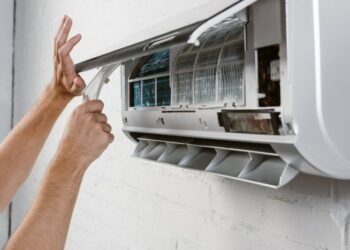
- Locate the air filter in your HVAC system and check if it's dirty or clogged.
- Replace the air filter with a new one if it appears dirty, as a dirty filter can restrict airflow and impact system efficiency.
- Regularly changing the air filter every 1-3 months can help maintain optimal HVAC performance.
Inspecting the Vents and Registers
- Check all vents and registers throughout your home to ensure they are open and not blocked by furniture or other obstructions.
- Clean the vents and registers to remove any dust or debris accumulation that could impede airflow.
- Ensure that all vents are properly connected and sealed to prevent air leaks.
Checking the Circuit Breaker
- Inspect the circuit breaker to see if the HVAC system's breaker has tripped.
- If the breaker has tripped, reset it and monitor the system to see if it resumes normal operation.
- If the breaker continues to trip, it may indicate an underlying electrical issue that requires professional attention.
When to Seek Professional Help
- If you encounter a problem beyond basic troubleshooting, such as refrigerant leaks, compressor issues, or electrical faults, it's best to contact a qualified HVAC technician.
- For safety reasons, refrain from attempting repairs involving complex components or systems that could pose a risk of injury or further damage.
- Regular maintenance by a professional can help prevent major HVAC problems and ensure efficient system performance.
Hiring Professional Heat and Air Repair Services
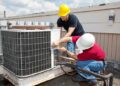
When it comes to repairing your heating and air conditioning systems, hiring professional HVAC technicians can offer several benefits over attempting DIY repairs. Not only do licensed professionals have the expertise and experience to accurately diagnose and fix issues, but they also have access to specialized tools and equipment that may not be readily available to homeowners.
In addition, professional technicians can ensure that repairs are done correctly the first time, saving you time and money in the long run.
Benefits of Hiring Licensed HVAC Technicians
- Expertise in diagnosing and repairing complex HVAC issues
- Access to specialized tools and equipment
- Guarantee of correct and lasting repairs
Selecting a Reputable Heat and Air Repair Service Provider
When choosing a heat and air repair service provider, it is essential to do your research to ensure you are hiring a reputable and reliable company. Look for companies with positive reviews and ratings, and ask for recommendations from friends and family.
Additionally, be sure to inquire about the company's experience, certifications, and licensing to ensure they are qualified to work on your HVAC system.
Checking Certifications and Warranties
- Verify that the HVAC technicians are licensed and certified to work on your specific brand and model of heating and air conditioning system.
- Ask about warranties on parts and labor to protect your investment in the repair work.
- Ensure that the company is bonded and insured to provide coverage in case of any accidents or damages during the repair process.
Final Wrap-Up
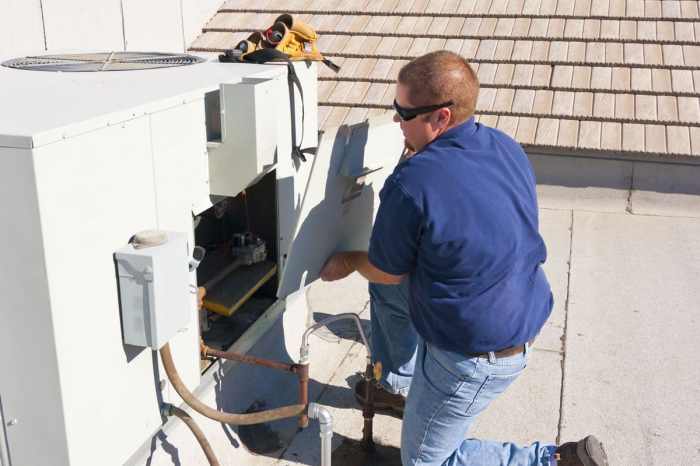
In conclusion, prioritizing heat and air repair not only enhances the longevity of your HVAC system but also contributes to a comfortable and energy-efficient environment. By understanding the significance of timely maintenance and expert assistance, you can ensure seamless operation and cost-effective solutions for your heating and cooling needs.
FAQ Resource
How often should I schedule maintenance for my HVAC system?
It is recommended to schedule maintenance at least once a year to ensure optimal performance and efficiency.
What are common signs that indicate the need for professional heat and air repair?
Unusual noises, inconsistent heating or cooling, and increased energy bills are typical signs that your HVAC system requires repair.
Can I troubleshoot minor HVAC issues on my own?
While some minor issues can be addressed through DIY troubleshooting, it's essential to follow safety precautions and know when to seek professional assistance.