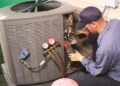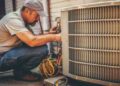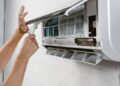

Exploring the world of central air repair, this paragraph sets the stage for a deep dive into the importance of maintenance, common problems, hiring professional services, and costs involved.
Importance of Central Air Repair
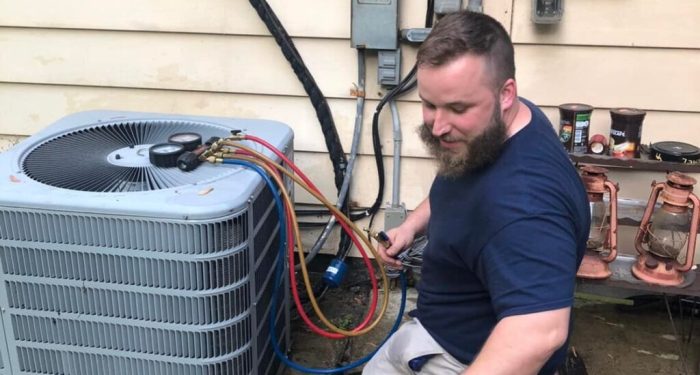
Regular maintenance of central air systems is crucial to ensure optimal performance and efficiency. Neglecting central air repair can lead to various consequences that affect both the system and the occupants of the building. Timely repairs are essential in increasing the lifespan of the central air system, saving money on costly replacements, and maintaining a comfortable indoor environment.
Preventative Maintenance
- Regular maintenance, such as cleaning filters and checking for leaks, can prevent major breakdowns and costly repairs.
- Annual inspections by professionals can detect issues early on and address them before they escalate.
- Proper maintenance can also improve energy efficiency, reducing utility bills in the long run.
Consequences of Neglect
- Failure to repair central air systems can lead to decreased efficiency, resulting in higher energy consumption.
- Neglecting repairs can also cause air quality issues, leading to health problems for occupants.
- Untreated issues can escalate into major breakdowns, requiring expensive repairs or even premature replacement of the entire system.
Increased Lifespan
- Timely repairs and maintenance can extend the lifespan of a central air system, providing consistent comfort for a longer period.
- Regular servicing can help identify and address minor issues before they become major problems, prolonging the system's life expectancy.
- By investing in central air repair, homeowners can avoid the inconvenience and cost of unexpected breakdowns and replacements.
Common Central Air Problems
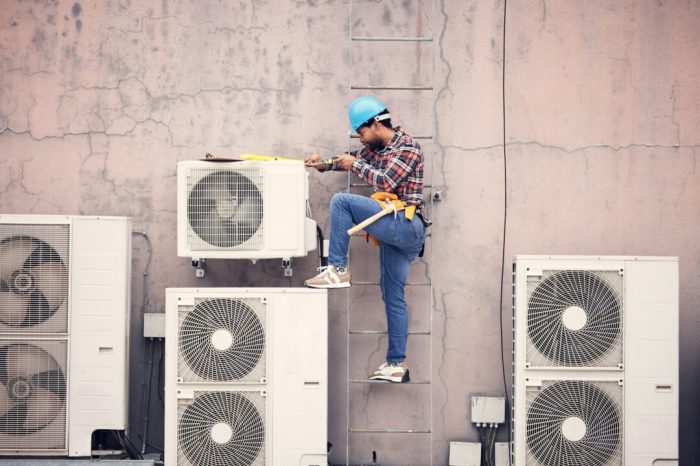
Central air systems can experience a variety of issues that may require repair to ensure optimal performance and efficiency. Recognizing the symptoms of these problems is crucial in determining whether a DIY fix is suitable or if professional help is necessary.
1. Refrigerant Leaks
Refrigerant leaks are a common problem in central air systems and can lead to reduced cooling capacity and increased energy consumption. Symptoms of a refrigerant leak include warm air blowing from the vents, hissing or bubbling noises near the indoor unit, and ice buildup on the refrigerant lines.
- DIY Fix: Checking for visible leaks and repairing minor ones may be possible, but adding refrigerant should be left to professionals.
- Professional Help: Sealing leaks, testing the system for proper refrigerant levels, and ensuring no further leaks are present.
2. Electrical Issues
Electrical problems can cause central air systems to malfunction or fail altogether. Signs of electrical issues include the system not turning on, frequent tripped circuit breakers, or strange odors coming from the unit.
- DIY Fix: Resetting the circuit breaker, replacing a blown fuse, or checking the thermostat settings can sometimes resolve minor electrical issues.
- Professional Help: Identifying and repairing faulty wiring, replacing damaged components, and ensuring safe electrical connections.
3. Airflow Restrictions
Airflow restrictions can result in uneven cooling, reduced efficiency, and strain on the system. Symptoms may include weak airflow from the vents, hot spots in certain areas of the home, or excessive dust buildup in the ductwork.
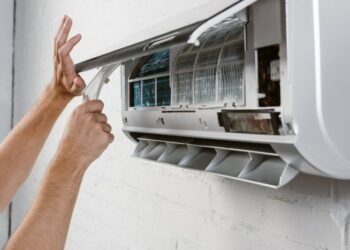
- DIY Fix: Changing the air filter regularly, clearing debris from vents, and ensuring no furniture obstructs airflow can help improve circulation.
- Professional Help: Duct cleaning, inspecting for blockages or leaks, and optimizing the ductwork layout for better airflow.
Hiring a Professional Repair Service
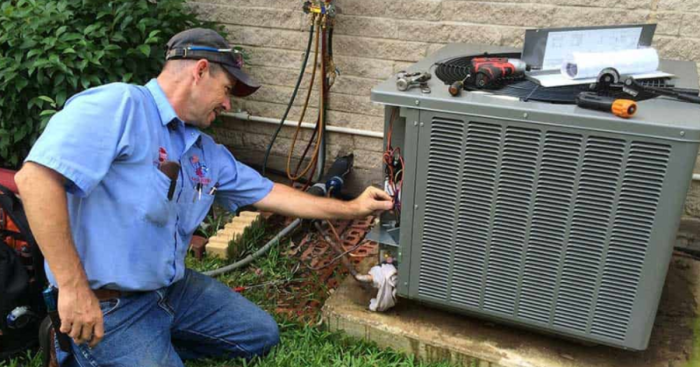
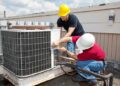
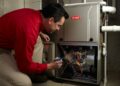
When it comes to repairing your central air system, hiring a professional repair service is crucial to ensure the job is done correctly and efficiently. Professional technicians have the expertise and experience to diagnose issues accurately and provide effective solutions, ultimately saving you time and money in the long run.
Factors to Consider When Choosing a Central Air Repair Service
- Certifications and Licenses: Look for technicians who are certified and licensed to work on HVAC systems. This ensures that they have the necessary training and skills to handle the repair job.
- Experience: Consider the experience of the repair service. Experienced technicians are better equipped to deal with a variety of issues and can provide more reliable solutions.
- Reputation: Check online reviews and ask for recommendations to gauge the reputation of the repair service. A good reputation often indicates quality service.
- Pricing: While cost is important, it should not be the sole deciding factor. Compare prices among different repair services, but prioritize quality and expertise.
Importance of Certifications and Experience in Repair Technicians
Certifications and experience are essential when hiring a central air repair service. Certified technicians have undergone training and testing to ensure they meet industry standards. Their experience allows them to quickly identify and resolve issues, preventing further damage to your system.
Benefits of Hiring Professionals vs Attempting Repairs Independently
- Expertise: Professional technicians have the knowledge and skills to accurately diagnose and repair central air problems, ensuring a lasting solution.
- Time-Saving: Hiring professionals can save you time, as they can efficiently complete the repair job without the need for trial and error.
- Warranty: Many professional repair services offer warranties on their work, providing you with peace of mind knowing that the job is guaranteed.
- Safety: Central air systems can be complex and potentially dangerous to work on. Professionals have the necessary safety training to prevent accidents or injuries.
Cost of Central Air Repair
Repairing a central air system can involve various cost factors that homeowners should be aware of. From the price of replacement parts to labor costs, understanding these expenses can help you budget and plan for unexpected repair needs.
Factors Affecting Repair Costs
- Cost of Replacement Parts: The price of components such as compressors, coils, and motors can vary depending on the brand and model of your central air system.
- Labor Costs: Hiring a professional repair service will include labor charges, which can vary based on the complexity of the repair.
- Diagnostic Fees: Some repair services charge a diagnostic fee to assess the issue before providing a repair estimate.
- Emergency Service Charges: If you require repairs outside of regular business hours, emergency service charges may apply.
Importance of Regular Maintenance
Regular maintenance of your central air system can help reduce repair costs in the long run. By keeping your system clean, changing filters regularly, and addressing minor issues promptly, you can prevent major breakdowns that lead to expensive repairs.
Budgeting for Unexpected Repairs
- Set Aside Emergency Fund: Create a separate fund specifically for unexpected repair expenses related to your central air system.
- Get Multiple Quotes: When facing a repair issue, obtain quotes from multiple repair services to compare costs and ensure you're getting a fair price.
- Consider Financing Options: If a major repair is needed but exceeds your budget, explore financing options to spread out the cost over time.
Last Recap
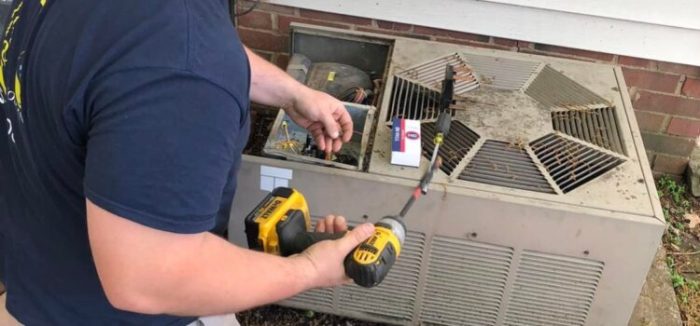
In conclusion, central air repair is not just about fixing issues but also about ensuring the longevity of your system. By staying proactive and informed, you can keep your central air in optimal condition for years to come.
Helpful Answers
What are the common signs that indicate the need for central air repair?
Some common signs include weak airflow, strange noises, unpleasant smells, and inconsistent cooling.
Is DIY repair recommended for all central air problems?
DIY fixes are suitable for minor issues like changing filters, but for major repairs involving complex components, it's best to hire a professional.
How can regular maintenance help reduce central air repair costs?
Regular maintenance can prevent small issues from escalating into costly repairs by addressing problems early on.