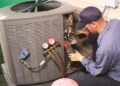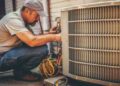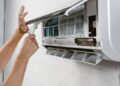

AC and heating repair is a crucial aspect of maintaining a comfortable and efficient living or working environment. From the importance of regular maintenance to common issues and DIY tips, this guide covers everything you need to know to keep your HVAC systems running smoothly.
Importance of AC and Heating Repair
Regular maintenance for HVAC systems is crucial to ensure they function efficiently and effectively. Neglecting AC and heating repairs can lead to various consequences that impact both comfort and finances. Timely repairs not only address immediate issues but also contribute to improved energy efficiency in a home or office.
Significance of Regular Maintenance
Regular maintenance, such as cleaning filters, checking for leaks, and lubricating moving parts, helps HVAC systems operate smoothly. This proactive approach can prevent breakdowns, extend the lifespan of the system, and maintain indoor air quality.
Consequences of Neglecting Repairs
Neglecting AC and heating repairs can result in reduced efficiency, higher energy bills, uneven heating or cooling, and potential safety hazards. Ignoring minor issues can escalate into major problems that are more costly to fix in the long run.
Improving Energy Efficiency
Timely repairs can improve energy efficiency by ensuring that the HVAC system operates at its optimal level. Well-maintained systems consume less energy, reducing utility costs and environmental impact. Regular servicing can also identify and address inefficiencies that could be wasting energy.
Common AC and Heating Issues
When it comes to the functionality of your air conditioning and heating systems, there are a variety of common issues that may arise. Understanding these problems can help you troubleshoot minor issues and know when to call in a professional repair service.
Air Conditioning Unit Problems
Here are some typical problems that may require repair in air conditioning units:
- Refrigerant Leaks: Low refrigerant levels can affect the cooling capacity of your AC unit.
- Dirty Filters: Clogged filters can restrict airflow and reduce efficiency.
- Thermostat Issues: Incorrect thermostat settings can lead to temperature inconsistencies.
- Frozen Evaporator Coils: Restricted airflow or refrigerant issues can cause ice buildup on the coils.
Heating System Malfunctions
Common heating system issues that may need professional attention include:
- Ignition Problems: Faulty ignition components can prevent your heater from turning on.
- Blower Motor Failure: A malfunctioning blower motor can result in poor airflow.
- Thermostat Malfunctions: Inaccurate readings or faulty wiring in the thermostat can impact heating performance.
- Pilot Light Troubles: Issues with the pilot light can cause heating problems in gas furnaces.
Troubleshooting Minor Issues
Before contacting a repair service, you can try troubleshooting minor problems with your HVAC system:
- Check the thermostat settings to ensure they are correct.
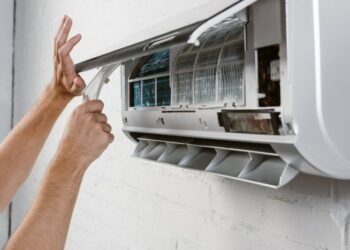
- Inspect the air filters and replace them if they are dirty or clogged.
- Clean debris from around the outdoor AC unit and ensure proper airflow.
- Reset the circuit breaker if the HVAC system is not turning on.
DIY vs. Professional Repairs
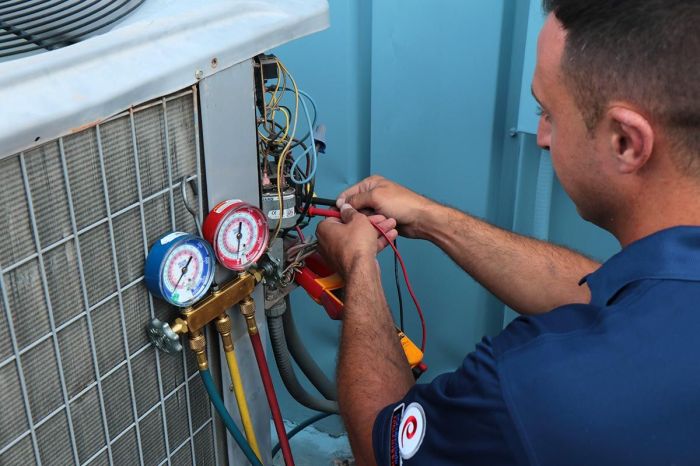
When it comes to AC and heating repairs, homeowners often face the decision of whether to attempt a DIY fix or hire a professional technician. Each option has its own set of advantages and disadvantages, so it's important to weigh your choices carefully.
Advantages and Disadvantages of DIY Repairs vs. Hiring a Professional
- DIY Repairs:
- Cost-effective, as you can save money on labor fees.
- Convenient for minor issues that can be easily fixed with basic tools.
- Empowering to learn new skills and take control of your home maintenance.
- Hiring a Professional:
- Expertise and experience in diagnosing and repairing complex HVAC problems.
- Guaranteed quality of work and long-term solutions.
- Compliance with safety regulations and industry standards.
Tips for Safely Attempting Minor AC or Heating Repairs at Home
- Always turn off the power to your HVAC system before starting any repair work.
- Refer to the manufacturer's manual or online tutorials for step-by-step guidance.
- Use proper safety gear such as gloves and goggles to protect yourself from injuries.
- Start with simple tasks like cleaning filters or checking for loose connections before moving on to more complex repairs.
When to Seek Professional Help for Complex HVAC Issues
- If you encounter recurring problems despite multiple DIY attempts, it's time to call in a professional.
- Any repairs involving refrigerant leaks, electrical wiring, or gas components should be handled by a licensed technician.
- Noisy or inefficient operation of your HVAC system may indicate underlying issues that require professional expertise.
Seasonal Maintenance Tips
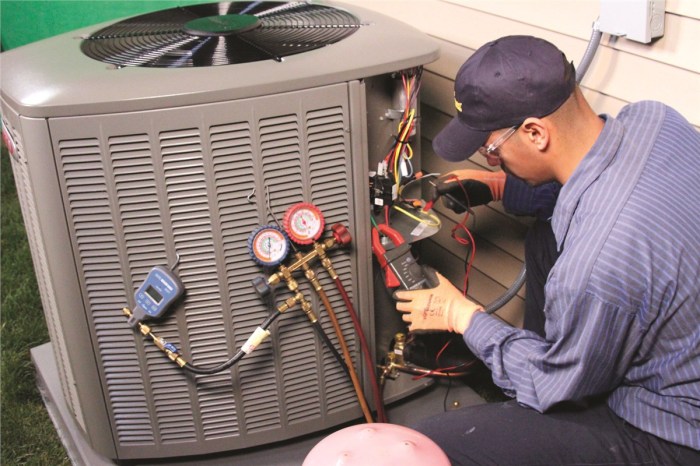
Proper seasonal maintenance is essential for keeping your AC and heating systems running efficiently. By following a seasonal maintenance schedule, you can prevent potential issues and ensure that your HVAC systems are ready for any weather changes.
Changing Air Filters and Cleaning Vents
Regularly changing air filters and cleaning vents is crucial for maintaining good indoor air quality and ensuring proper airflow. Clogged filters and vents can restrict airflow, making your system work harder and less efficiently. Aim to change your air filters every 1-3 months, depending on usage, and clean vents regularly to prevent dust and debris buildup.
Preparing HVAC Systems for Seasonal Shifts
As the weather changes, it's important to prepare your HVAC systems accordingly. Before the start of each season, make sure to check for any visible damage, clean the outdoor unit, and inspect the ductwork for leaks or blockages. Additionally, consider scheduling a professional maintenance service to ensure that your systems are in optimal condition.
Wrap-Up
In conclusion, staying on top of AC and heating repair not only ensures optimal performance but also contributes to a healthier indoor environment. By following the tips and advice Artikeld in this guide, you can tackle HVAC issues with confidence and ease.
Clarifying Questions
How often should AC and heating systems be maintained?
It's recommended to have your HVAC systems serviced at least once a year to ensure they are functioning efficiently.
What are some signs that indicate the need for professional AC or heating repair?
Unusual noises, uneven heating or cooling, and a sudden increase in energy bills can be signs that your system needs professional attention.
Can I attempt to repair my AC or heating system on my own?
While minor issues like changing filters can be done DIY, complex problems should always be handled by a professional to avoid further damage.